
Finding the perfect casual date night outfit can be tricky, but with a few styling tips and versatile pieces, you can create chic and comfortable looks.
Whether heading to a cozy dinner, catching a movie, or going for a simple walk, the key is to strike the right balance between comfort and style.
Here are 15 effortless casual date night outfit ideas that will make you feel confident, cute, and ready to have a great time.
1. The Two-Tone Denim Contrast Formula

- The Contrast Rule: Never match your upper and lower denim shades exactly unless they belong to a tailored matching set. If you wear dark-wash or indigo jeans on the bottom, your denim jacket must be a distinct light-wash or distressed shade to establish a clear visual break at the waistline.
- The Layering Fix: To elevate denim-on-denim from “running errands” to a deliberate date night look, skip the basic graphic t-shirt. Replace it with a fluid silk camisole, a fine-gauge knit tank, or a crisp white linen button-down shirt with the sleeves rolled up exactly twice to expose the wrists.
- The Footwear Anchor: Avoid canvas sneakers, which pull the outfit too far into daytime loungewear territory. Swap them for leather pointed-toe flats, mule slides, or low block-heel ankle boots to instantly signal an evening aesthetic.
2. Visual Balance: High-Coverage Blouse & Mini Skirt
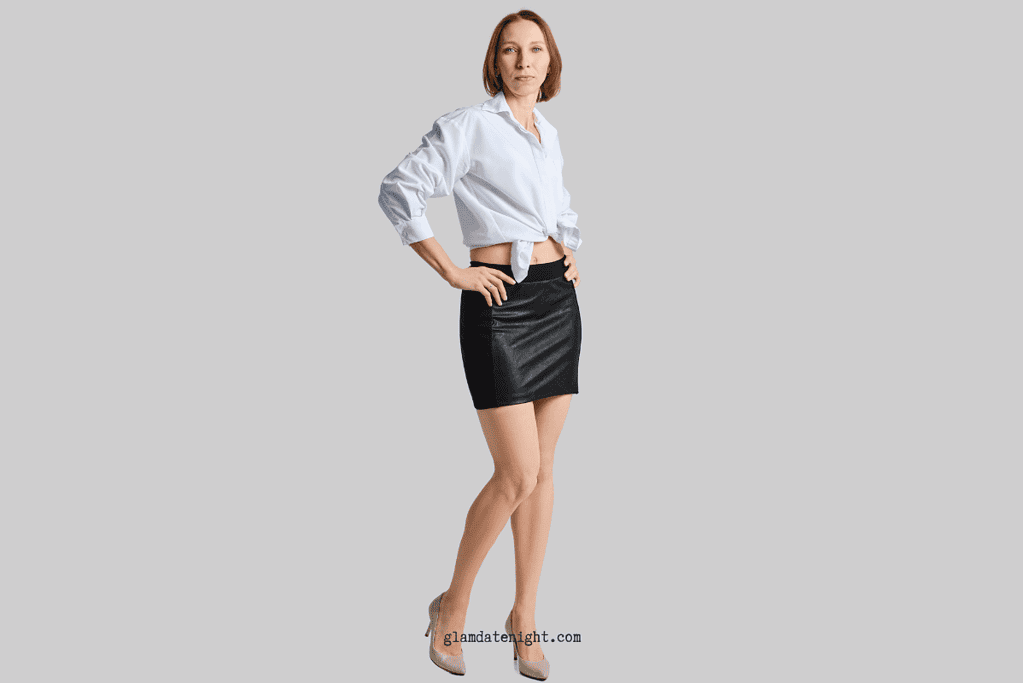
- The Law of Proportions: An intentional outfit relies on balancing skin exposure and fabric volume. Because a mini skirt exposes a significant portion of the lower frame, the upper torso requires a higher neckline or longer sleeves to keep the silhouette balanced and appropriate for a restaurant setting.
- The Fabric Selection: Pair structured skirt fabrics—such as heavyweight cotton twill, A-line corduroy, or faux leather—with a contrasting soft top. A fluid viscose button-up shirt or a long-sleeve mock-neck top creates an intentional texture contrast against the rigid skirt.
- The Hemline Rule: Ensure the hemline of the skirt sits smoothly against the thigh without riding up when seated. Layering the outfit with an unbuttoned blazer that terminates right at the skirt’s hemline adds a clean, architectural frame to the look.
3. The Ribbed-Knit or Satin Midi Dress Framework
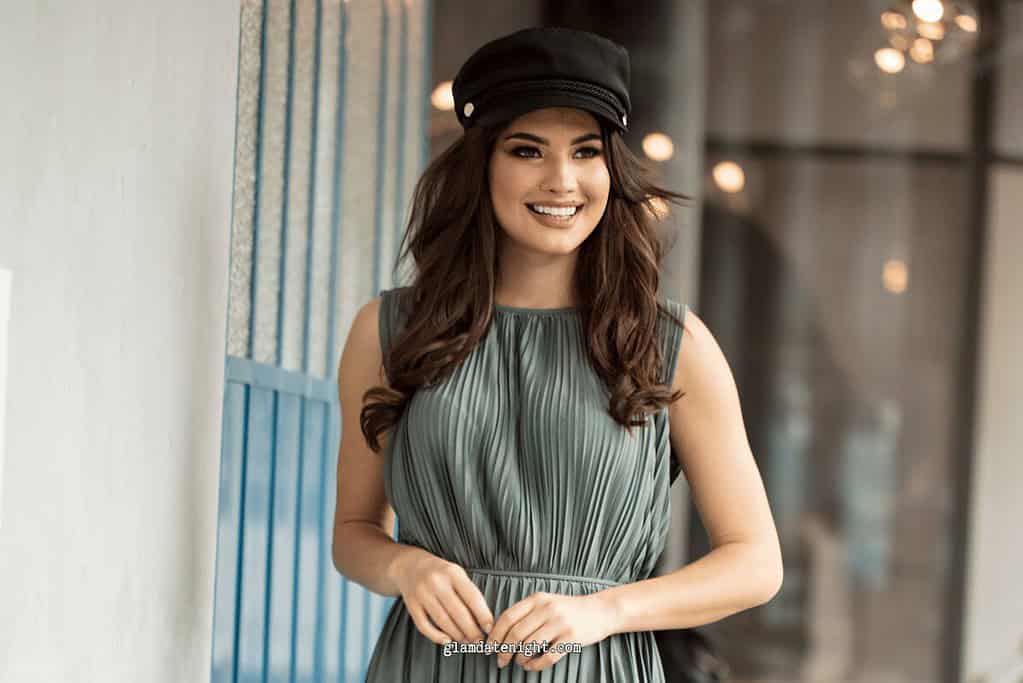
- The Hemline Metric: A true midi dress must terminate exactly at the narrowest part of the mid-calf. This specific length naturally elongates the lower body, allowing you to wear comfortable flat footwear without making your legs look truncated.
- The Material Choice: For cooler months, prioritize a 300+ GSM (grams per square meter) ribbed-knit dress, which offers natural structural compression and prevents undergarment lines from showing. For warmer weather, swap to a fluid matte satin slip dress.
- The Outerwear Balance: Because a midi dress creates a long, continuous column of solid color, break up the vertical visual plane by draping a structured cropped leather jacket or a tailored denim jacket loosely over your shoulders.
4. The Proportion Shift: Chunky Sweater & Slim Denim
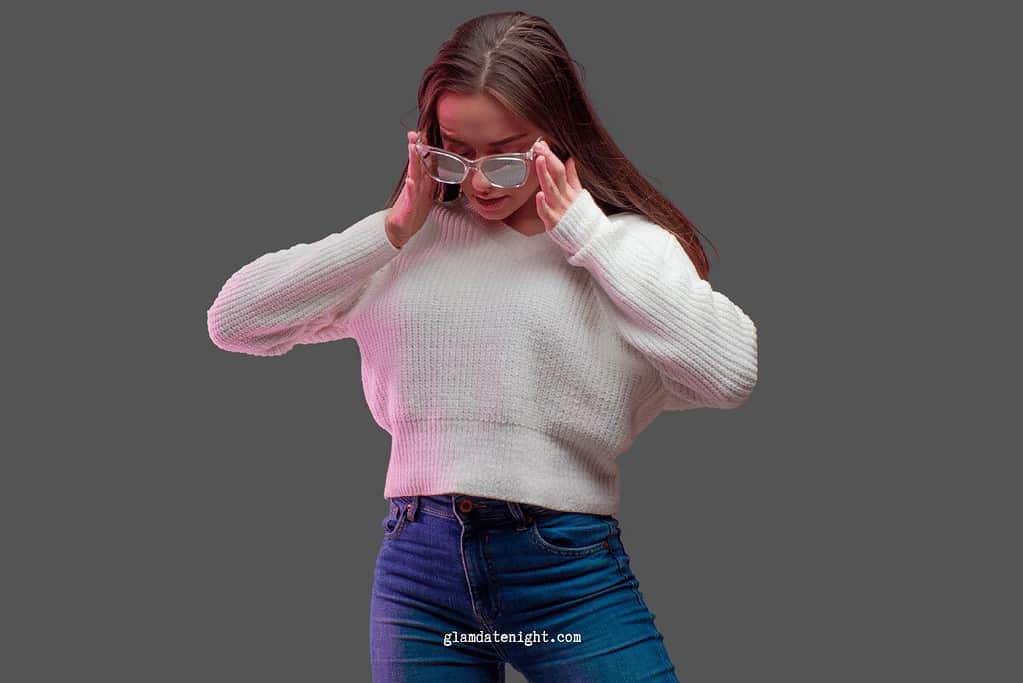
- The Volume Rule: An oversized, chunky cable-knit sweater will completely swallow your body shape if left unadjusted. To prevent a boxy, unstructured appearance, you must introduce a focal point at the natural waistline.
- The French Tuck Technique: Gather the center-front two inches of your sweater hem and tuck it directly into the front fly of your skinny jeans. Allow the sides and back of the sweater to hang loose. This exposure of the belt line instantly re-establishes your natural hip-to-waist proportions.
- The Boot Intersection: When pairing skinny jeans with ankle boots, ensure the jean hem terminates exactly one inch above the top of the boot shaft. If the jeans are too long, fold them into a clean, single one-inch cuff to prevent the fabric from bunching up around the ankles.
5. The Seamless Silhouette: High-Compression Bodysuit & High-Rise Denim
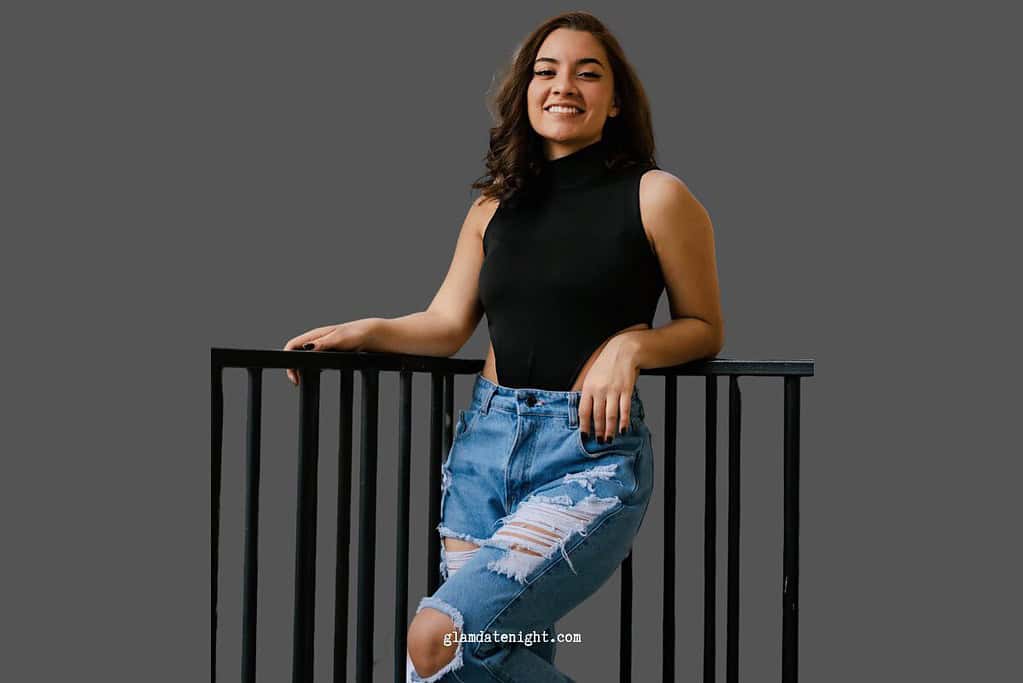
- The Seamless Rule: Standard t-shirts and blouses constantly shift, wrinkle, and bunch up when tucked into high-rise denim, creating bulk around the stomach area. A snap-closure bodysuit solves this by providing a completely flat, tensioned tuck that stays secure all evening.
- The Fabric Specification: Look for double-lined nylon, modal, or elastane fabric blends. Double-lining provides built-in opacity under harsh restaurant lighting and acts as subtle, comfortable smoothing support across the torso.
- The Structural Balance: Because a bodysuit is entirely form-fitting to the skin, balance the high-exposure top by pairing it with a relaxed, straight-leg or wide-leg jean silhouette rather than tight leggings.
6. Silhouette Contrast: A-Line Midi Skirt & Fitted Crop Top
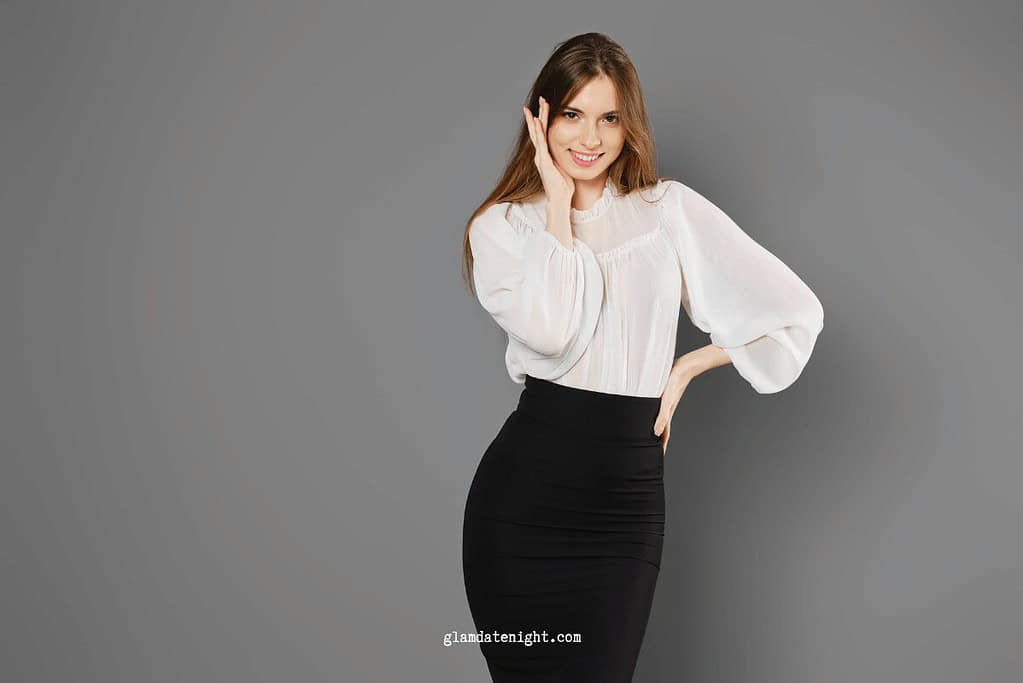
- The Volume Contrast Rule: A fluid, tiered A-line skirt or a bias-cut maxi skirt creates a wide, moving lower silhouette. To prevent the entire outfit from looking oversized, the upper torso must remain compact and structured.
- The Top Selection: Pair the fluid skirt with a high-neck crop top that terminates exactly at the top of the skirt’s waistband, or use a high-compression fitted shirt tucked in completely flat. This creates a distinct demarcation line at the narrowest part of your waist.
- Outerwear Layering: If a third layer is required for temperature changes, choose a cropped, structured jacket that ends precisely at the skirt line. Avoid mid-length cardigans, which clash with the skirt’s volume and cut your frame in half.
7. The Tailored Update: Button-Down Oxford & Straight-Leg Denim

- The Styling Node Rule: A plain button-up shirt and jeans can easily look like corporate casual office wear instead of an evening outfit. You must break the clean lines of the shirt to signal a relaxed setting.
- The Adjustment Metrics: Unbutton the collar to create a natural V-neckline that exposes the collarbone. Roll the shirt cuffs up past your wrists to the mid-forearm. This exposes the narrowest structural bones of the upper body, making the outfit look intentional and relaxed.
- The Full-Tuck Rule: Completely tuck the shirt into mid-rise or high-rise straight-leg denim, and add a minimalist leather belt with a metal buckle. The metal buckle acts as a focal visual element that grounds the entire text-only outfit description.
8. Outerwear Ratios: The Slip Dress & Tailored Blazer
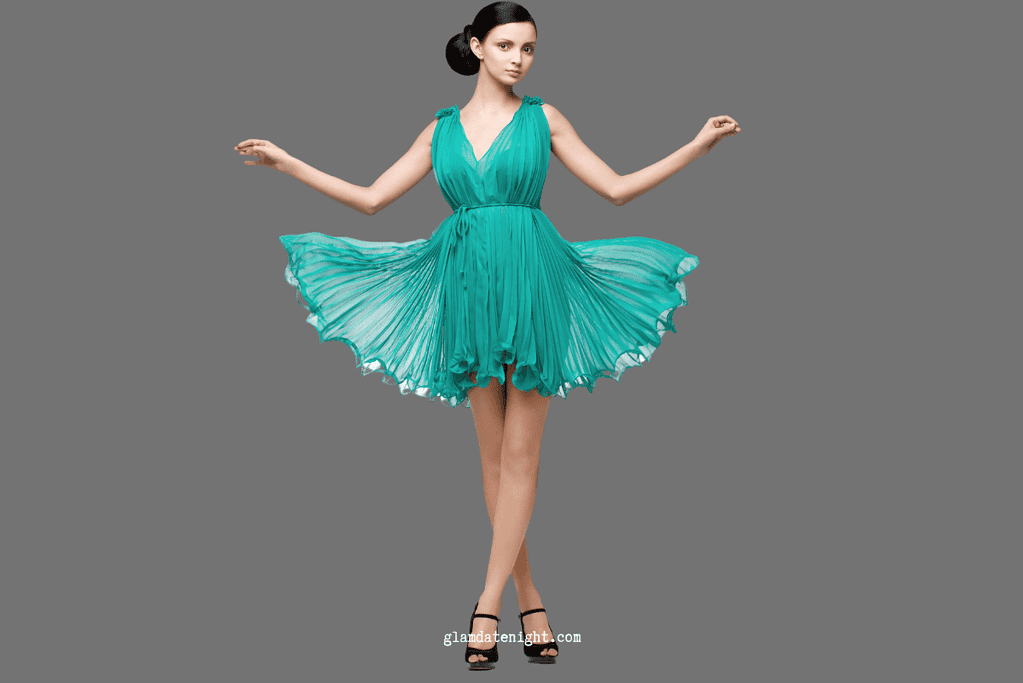
- The Length Ratio: To make an unstructured dress—like a silk slip dress or a knit mini dress—look intentional for an evening setting, you must manage your hemlines. If wearing a mini dress, the accompanying outerwear should terminate at exactly the same length or hang slightly longer than the dress hem to create a clean, uniform profile.
- The Structure Contrast: Unstructured, lightweight dress fabrics lack natural shape under harsh lighting. Balance this by layering a structured wool-blend or linen menswear blazer over the shoulders. The rigid shoulder pads introduce strong horizontal lines that contrast cleanly with the fluid drape of the dress fabric.
- The Shoe Angle: When pairing a casual dress with low heels or kitten heels, prioritize a pointed-toe or almond-toe shape. This elongates the foot line and extends the lower body silhouette far more effectively than rounded toes.
9. Waistband Demarcation: Rayon Blouse & Tapered Trousers
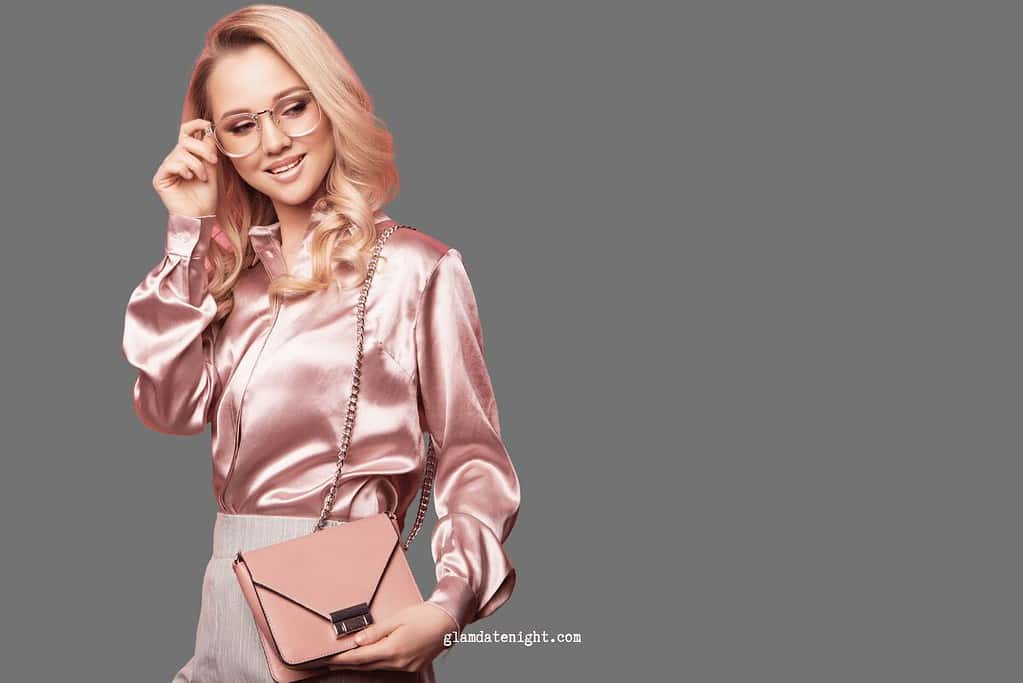
- The Inseam and Rise Metric: To create a long, lean vertical frame without wearing uncomfortable high heels, pair high-rise tapered trousers (featuring an 11-inch or higher rise) with a fluid, lightweight rayon or Tencel blouse. The high rise shifts the visual starting point of your legs upward.
- The Tailored Tuck: Avoid leaving the blouse untucked, which creates bulk and visually shortens the torso. Execute a clean full-tuck and anchor the look with a 1-inch leather belt. A flat, extended tab waistband with hidden closures creates a smooth, flat finish across the midsection.
- Neckline Framing: Choose a blouse with a structured V-neckline or a mandarin collar. This naturally draws the eye upward toward the face and creates vertical lines that offset the horizontal width of wide-leg or pleated trousers.
10. Visual Mass Balance: Tiered Maxi Skirt & Fitted Tank

- The Visual Mass Rule: A long, tiered maxi skirt possesses a significant amount of visual weight and fabric volume. To keep the overall look balanced, the upper half of the body must remain entirely streamlined and compact to prevent the outfit from looking baggy or unpolished.
- The Knit Solution: Pair the fluid skirt with a compact, fine-gauge ribbed knit tank top or a sleek racerback bodysuit. The vertical texture of the rib-knit top creates an intentional contrast against the horizontal seams or tiers of the flowing skirt fabric.
- The Footwear Anchor: Skip flimsy flat flip-flops, which can drag the skirt hem onto the ground. Instead, anchor the voluminous lower half of the outfit with structured leather slides, mule sandals, or close-toed ankle boots that lift the hemline smoothly off the floor.
11. Fabric Upgrading: Heavyweight Pima Tee & Rigid Denim
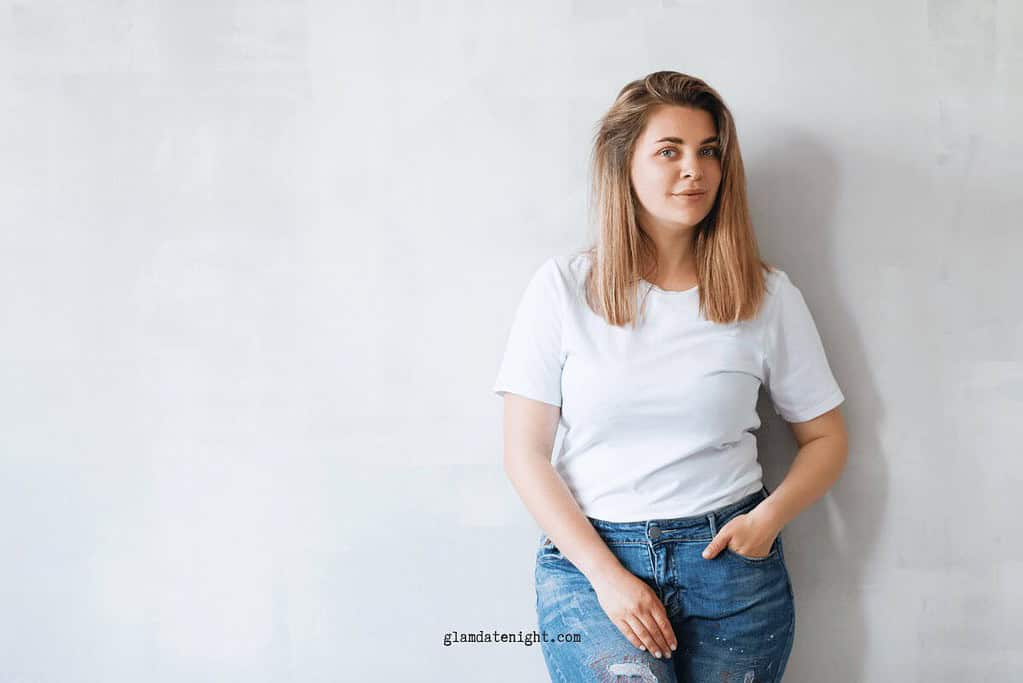
- The Density Rule: You can elevate a basic t-shirt and jeans into a proper date night outfit simply by increasing the weight and quality of the cotton. Standard thin t-shirts wrinkle easily and cling to skin lines, which looks unpolished.
- The Construction Metric: Switch to a boxy, mid-to-heavyweight Pima cotton t-shirt (roughly 200–250 GSM). Heavyweight cotton holds its own structural box shape independently of the body, creating clean lines that look tailored rather than sloppy.
- The Styling Accent: Fully tuck the heavyweight tee into raw or rigid selvedge denim jeans. Roll the sleeves up with a single, crisp half-inch cuff to shorten the sleeve line, exposing the arms and giving the simple silhouette an intentional styling node.
12. The Compression Layer: Ponte de Roma Dress & Long Trench
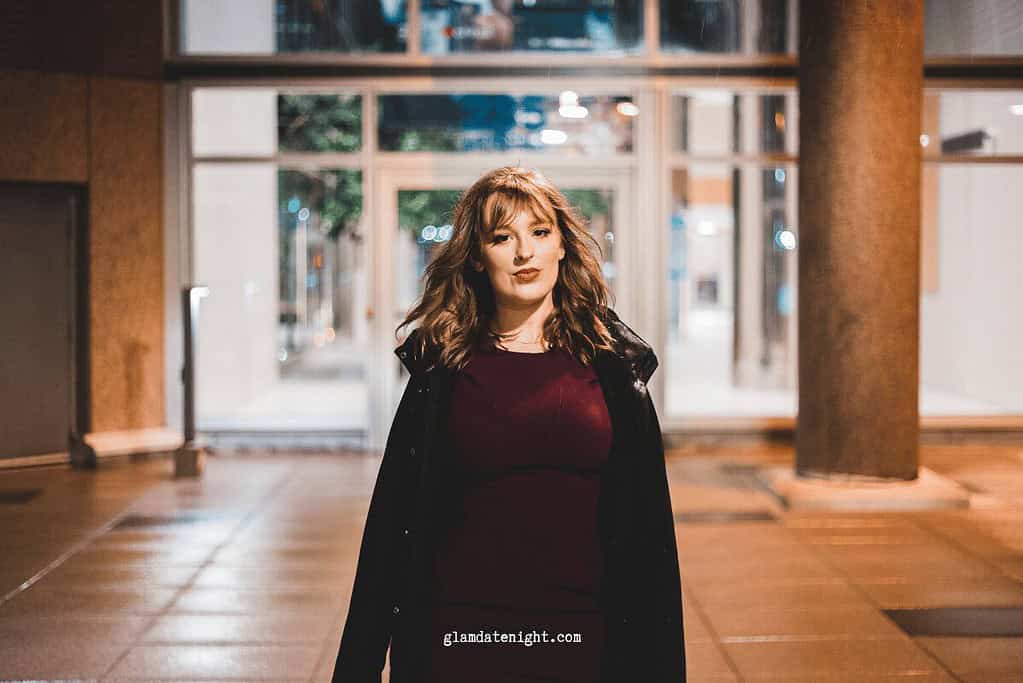
- The Double-Knit Metric: Lightweight jersey bodycon dresses ride up constantly as you walk and show undergarment lines. To fix this, look for dresses made of Ponte de Roma fabric—a heavy, double-knit blend of rayon, nylon, and spandex that offers natural compression and structural weight.
- The Length Frame: Layer the fitted dress under a fluid, duster-length trench coat or a long knit cardigan. The outerwear layer should extend at least two inches past the hemline of the dress, creating a sleek frame that tempers the tight fit of the base layer.
- The Texture Break: Mix the light-absorbing matte finish of a knit dress with a light-reflective outerwear piece, like a classic cotton-twill or nylon-blend trench coat, to create visual depth through texture alone.
13. Inseam Proportions: Structured Linen Shorts & High-Neck Crop
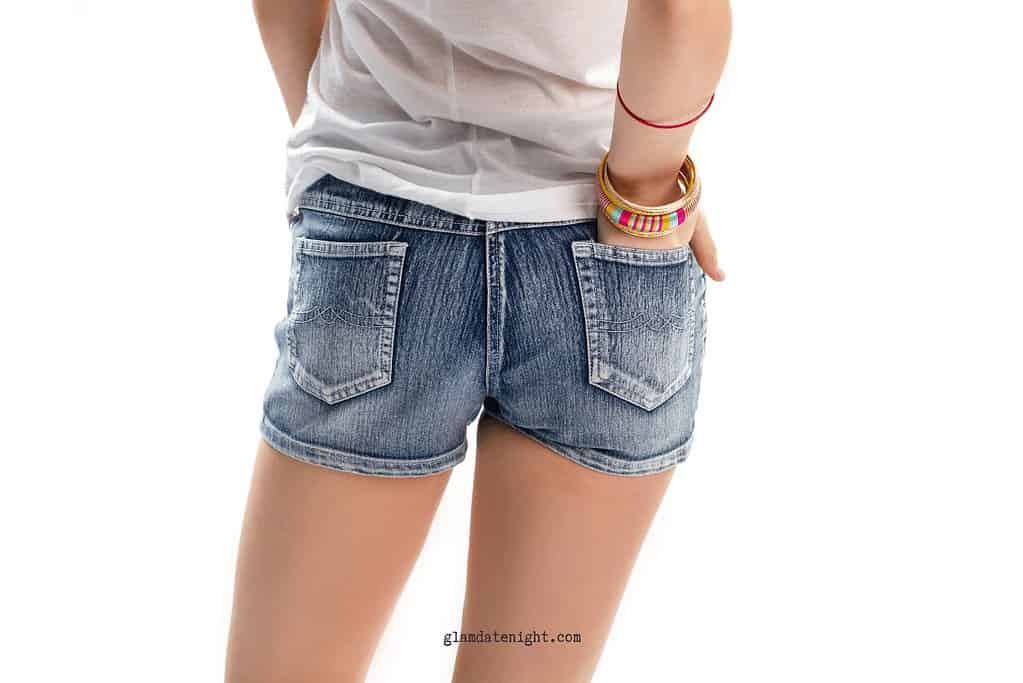
- The Inseam Rule: Casual summer styling requires balancing shorter hemlines with structure to look polished for an evening date. Avoid flimsy, athletic-style elastic shorts. Instead, choose tailored linen or cotton-twill shorts with a structured, flat-front waistband.
- The Rise Alignment: Ensure the shorts feature a high rise (10.5+ inches) that terminates exactly at your natural waist. Pair them with a high-neck crop top that ends right where the waistband begins. This layout reveals only a sliver of skin, keeping the visual proportions clean and balanced.
- The Sleeve Balance: If the shorts feature a short 3-inch or 4-inch inseam, choose a top with short sleeves or a mock neckline rather than a low-cut tank top. This balance of skin exposure ensures the outfit looks appropriate for a restaurant setting.
14. High-Low Coordination: Loopback Terry Sweatshirt & Slim Trousers
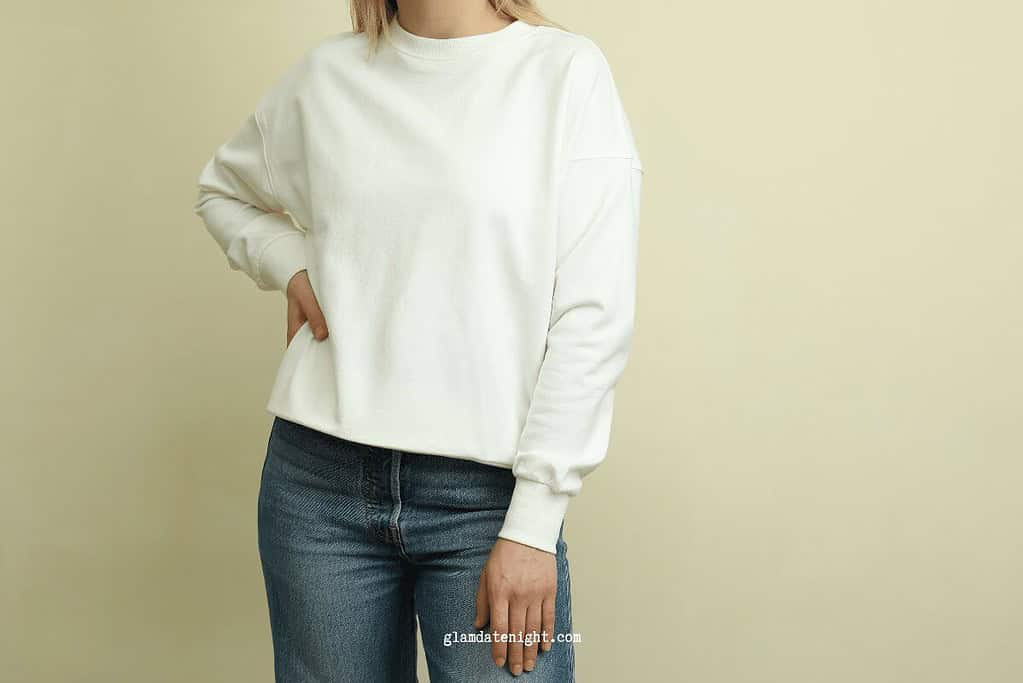
- The High-Low Rule: To wear sportswear like a sweatshirt on a casual date night without looking like you are going to the gym, you must pair it with a more formal, tailored bottom layer.
- The Fabric Upgrades: Choose a clean, crewneck sweatshirt made of loopback French terry cotton rather than a baggy fleece hoodie with drawstrings. Ensure it fits close to the shoulders and doesn’t feature large athletic branding.
- The Styling Adjustment: Pair the structured sweatshirt with slim-tapered jeans or tailored trousers. Push the sleeves up to your elbows to create intentional fabric volume on your forearms, and execute a quick front tuck to reveal the belt line and keep your waist visible.
15. Footwear Grounding: T-Shirt Shift Dress & Lug-Sole Boots
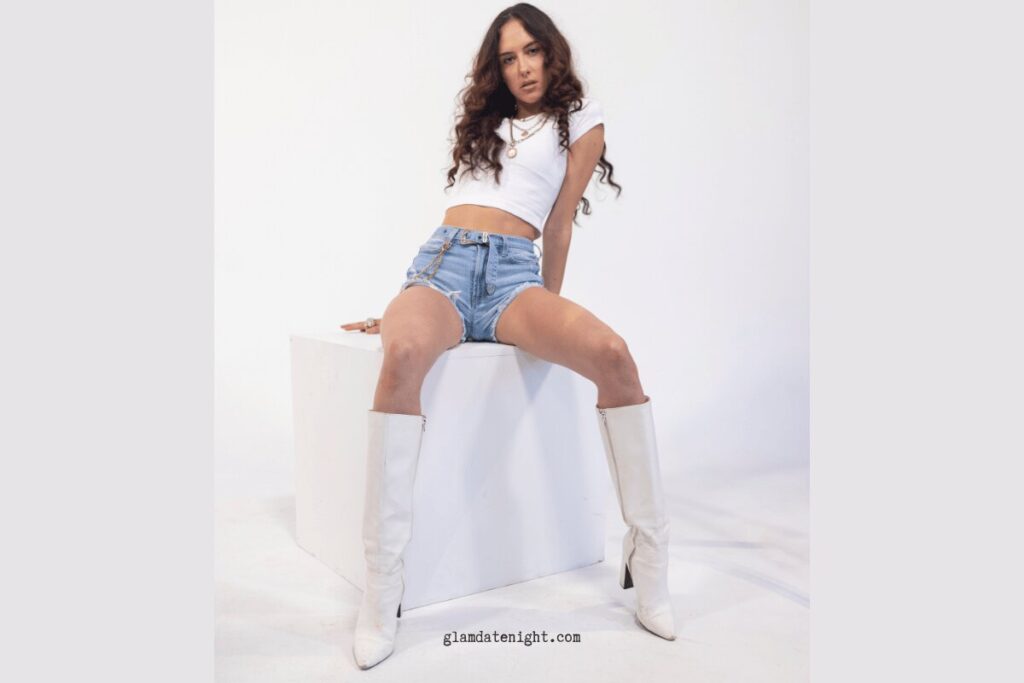
- The Weight Balance Rule: A basic T-shirt dress or shift dress features a loose, unstructured, and boxy silhouette. Wearing delicate, thin shoes with a boxy dress can make the outfit look top-heavy.
- The Lug-Sole Solution: Ground the unstructured dress by pairing it with heavy, utilitarian footwear—such as 1.5-inch platform rubber lug-sole Chelsea boots or structured leather loafers. The heavy base grounds the look and pulls it into a modern style category.
- The Gap Proportion: Ensure there is a visible gap of at least 4 to 5 inches of exposed skin between the top of the boot shaft and the bottom hem of the dress. This preservation of skin space prevents the boots from truncating your leg line.
Conclusion: The Structural Core of Casual Styling
- The Contrast Requirement: Effortless casual styling relies entirely on contrasting fabric weights and silhouettes—always balance voluminous items with fitted pieces to maintain a balanced shape.
- The Wash Separation Rules: When executing denim-on-denim looks, ensure there is a clear visual break between upper and lower pieces by mixing light and dark denim washes.
- The Tuck Mechanics: Prevent fabric from bunching up around the waistline of high-rise denim by utilizing high-compression bodysuits or executing crisp front tucks with heavier sweaters.
- The Fabric Integrity Check: Prioritize high-quality, dense materials like 300+ GSM ribbed-knits and structured cotton twills over thin fabrics to ensure your clothes hold their intended shape cleanly under any lighting.