
An elegant winter date night outfit depends entirely on two technical factors: fabric composition and silhouette structure.
To stay warm as temperatures drop without adding unwanted bulk to your frame, you must balance your insulating layers with structural outerwear.
Instead of relying on generic fashion trends, look for high-performance materials like Merino wool, heavy cotton poplin, and structured leather.
By coordinating your fabric textures and managing your visual proportions, you can create a streamlined, functional look that is optimized for cold-weather search trends.
1. Material Ratios: The Knit Sweater Dress & Knee-High Boot
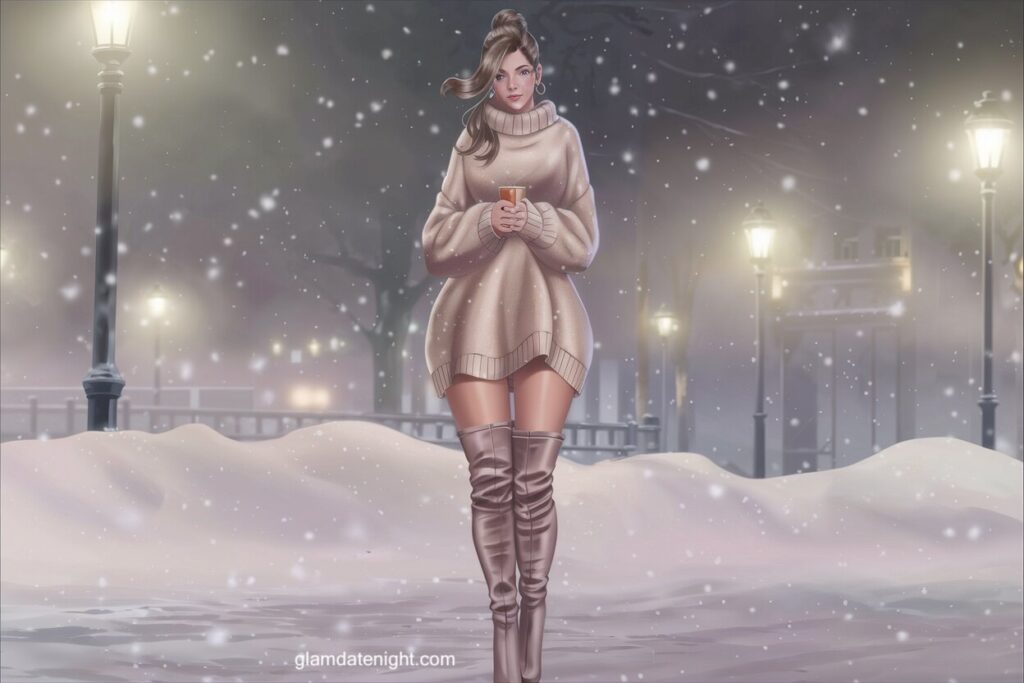
- The Material Blend Metric: To avoid a bulky or slouchy silhouette, select a sweater dress woven from a fine-gauge knit blend containing at least 50% Merino wool, cotton, or viscose. Fine-gauge knits provide high thermal retention while lying completely flat against the torso, preventing the fabric from warping under a heavy coat.
- The Hemline and Boot Intersection: Ensure the hemline of your sweater dress either overlaps the top of your knee-high boots by exactly two inches or terminates three inches above the boot shaft. Leaving a random, tiny one-inch sliver of skin cuts your vertical leg line in half and alters your visual height proportions.
- The Texture Balance Rule: Pair a soft, texturally heavy cable-knit sweater dress with smooth, rigid materials on your feet. Opt for structured, top-grain leather boots rather than slouchy suede or knitted boot styles. The rigid leather introduces a clean geometric line that grounds the soft weight of the knit dress.
2. Fabric Weight Contrast: The Ponte Bodycon & Heavy Moto Jacket
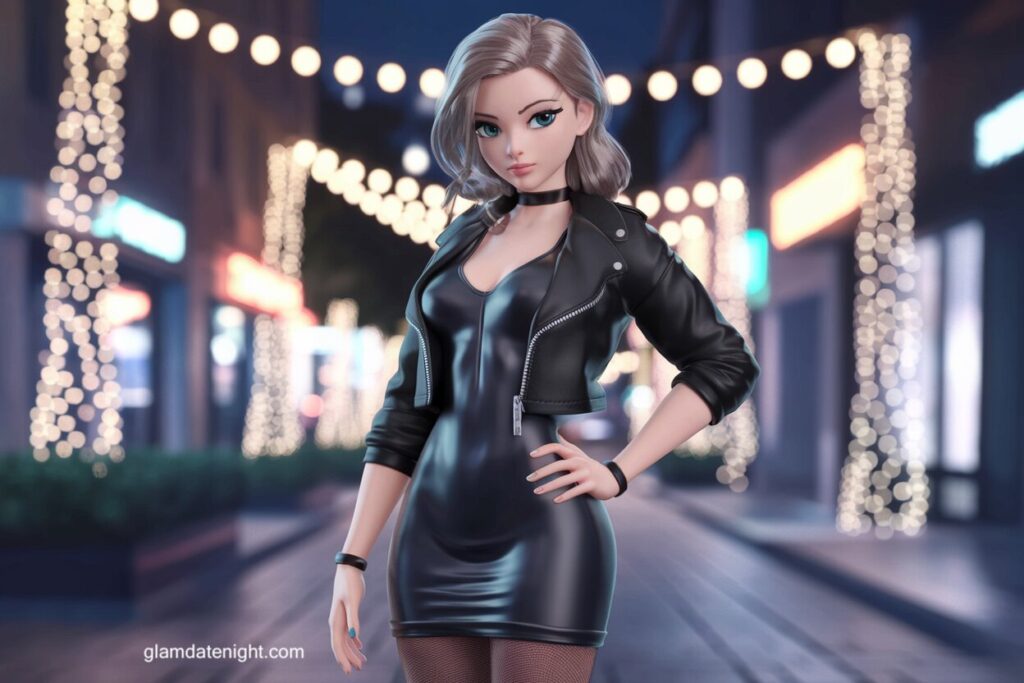
- The Thermal Fabric Specification: Standard lightweight summer bodycon dresses made of thin polyester or jersey will cling uncomfortably in cold weather and look unpolished. Swap them for a heavyweight Ponte de Roma knit dress (minimum 320 GSM). This dense, double-knit fabric offers structural compression, keeps its shape while walking, and traps your baseline body heat.
- The Outerwear Crop Line: Pair the fitted dress with a genuine leather or heavy polyurethane moto jacket that terminates exactly at your natural waistline or the top of your hip bone. The cropped, rigid structure of the moto jacket breaks up the continuous column of the dress, defining your waist without needing a belt.
- The Insulation Layer: To keep the outfit looking sleek without exposing your legs to cold drafts, add a pair of 80-denier semi-opaque black tights. Coordinate these with pointed-toe leather ankle boots or heeled moto boots. The continuous dark color from your waist down to your toes creates an uninterrupted vertical line that maximizes your leg length.
3. The Knit Gauge Contrast Law: Turtleneck Dress & Oversized Sweater

- The Gauge Contrast Rule: Layering a thick sweater over a thick dress creates friction, causing the fabrics to bunch up and ruin your silhouette. To execute this look successfully, your base layer (the turtleneck dress) must be a fine-gauge, ultra-thin ribbed knit, while your outer layer (the crewneck sweater) should be a low-gauge, heavy-knit style.
- The Proportional Tuck: An oversized, chunky sweater worn loosely over a dress will swallow your frame and remove all body shape. Use a hidden thin leather belt around your waist, pull the sweater fabric upward slightly, and tuck the front hem over the belt. This creates a cropped sweater aesthetic that reveals your natural hip-to-waist ratio.
- The Structural Accessory Rule: Because layering two knits adds a significant amount of soft texture to your upper frame, skip soft scarves or unstructured cloth bags. Instead, anchor the look using a rigid, hard-sided boxy crossbody bag or a structured top-handle leather purse to introduce sharp, clean lines to the outfit.
4. Material Contrast: V-Neck Knit & Straight-Leg Leather Trousers

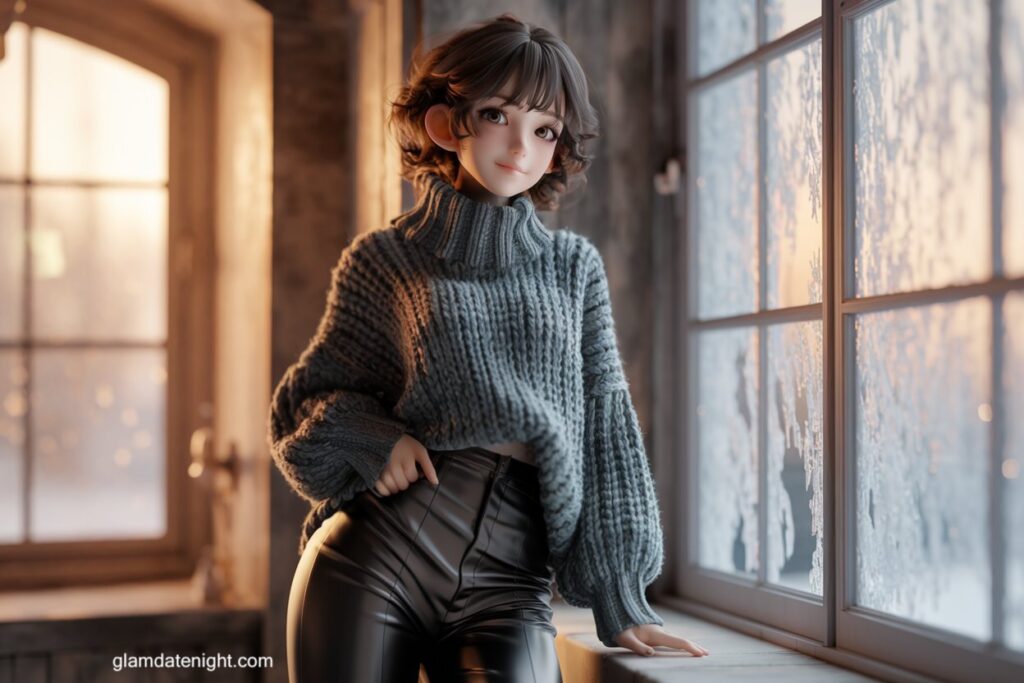
- The Textural Contrast Rule: To make a casual knit outfit look polished under artificial restaurant lighting, contrast the light-absorbing texture of a sweater with the light-reflective surface of leather. Pair an oversized, low-gauge V-neck sweater with semi-matte, straight-leg genuine leather or heavy polyurethane (PU) pants.
- The Neckline Metric: A plunging V-neckline exposes the collarbone area, which visually elongates the torso. To maintain thermal insulation while keeping this structural line clean, avoid bulky scarves. Instead, layer a minimalist, ultra-thin silk or micro-modal turtleneck directly underneath the V-neck sweater.
- The Outerwear Length Rule: Because leather trousers have a smooth, windproof exterior, ensure your insulating outerwear—such as a double-breasted 60% wool-blend coat—extends past the hips to terminate mid-thigh. This seals in body heat at your core while keeping the leg lines sharp and uncluttered.
5. Layer Alignment: Heavyweight Satin Slip Dress & Tailored Wool Blazer

- The Fabric Weight Upgrade: Standard summer slip dresses made of thin 12-momme silk or polyester will cling to tights due to static electricity, ruining your outfit lines. Swap them for a heavyweight 22-momme silk or dense acetate satin slip dress. Heavyweight satin naturally falls away from the body, eliminating static cling.
- The Blazer Proportions: To balance the delicate, unstructured drape of a slip dress, your outerwear layer must be highly structured. Pair the dress with a tailored menswear blazer featuring 0.5-inch interior shoulder pads. The sharp, horizontal lines of the blazer anchor the fluid movement of the satin.
- The Anti-Static Insulating Layer: Add a pair of 50-denier low-friction nylon tights beneath the dress. To prevent the dress from riding up or clinging to the tights as you walk, apply a quick spray of anti-static guard to the interior lining of the dress before putting it on.
6. Texture Balance: Ribbed-Knit Midi & Protected Suede Ankle Boots

- The Column Silhouette Rule: A fitted, ribbed-knit midi dress creates a continuous vertical column of texture. To prevent the look from looking blocky or truncated, ensure the dress features a vertical ribbing pattern, which naturally draws the eye downward and visually elongates your frame.
- The Suede Protection Requirement: Suede adds a rich, soft texture that pairs beautifully with knitwear, but it is highly vulnerable to winter moisture and salt stains. You must treat your suede ankle boots with a fluoropolymer-based waterproofing spray before wearing them outdoors to preserve the nap of the leather.
- The Structural Cinch: Loose or oversized knit dresses can easily lose their shape and look sloppy without an image to guide the eye. Add a 1.5-inch structured leather belt with a solid brass buckle directly at your natural waist. This introduces a hard geometric element that breaks up the soft knit fabric.
7. Hosiery Engineering: The Winterized Little Black Dress
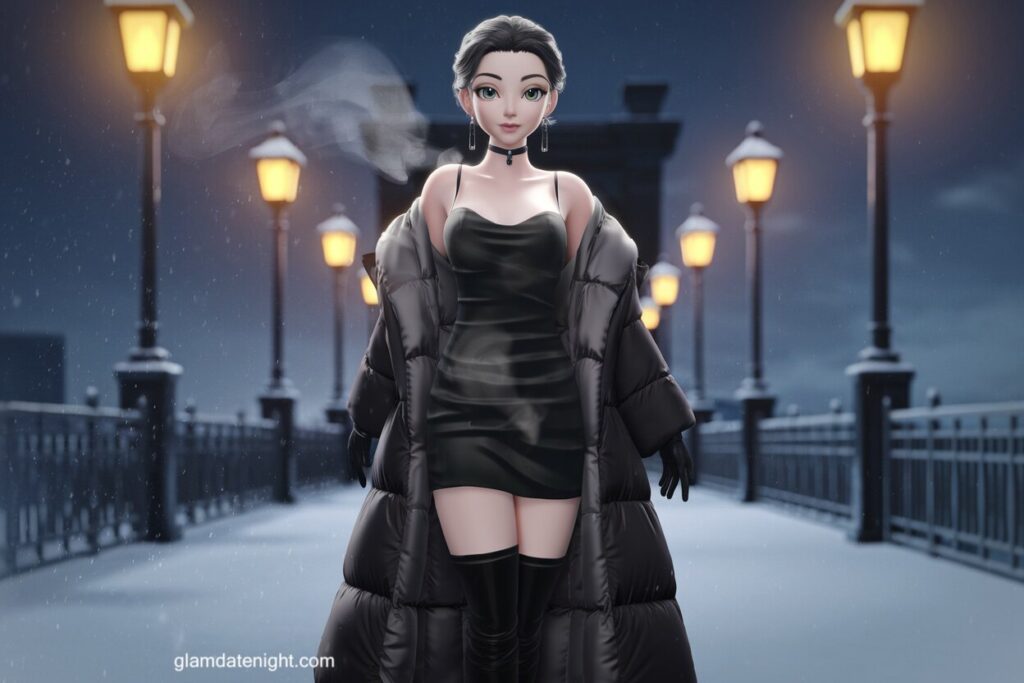
- The Hosiery Denier Specification: Transitioning a classic sleeveless or short-sleeve Little Black Dress (LBD) into winter requires modifying your hosiery metrics. Avoid thin, sheer 15-denier stockings, which offer no thermal protection. Instead, opt for 80-denier opaque tights or fleece-lined nylon hosiery to create a black thermal barrier.
- The Monochromatic Extension: To maximize your leg length in a text-only styling layout, match the color and finish of your footwear to your hosiery. Pair black opaque tights with black matte-leather ankle boots or pointed-toe pumps. This matching tone prevents an abrupt visual break at your ankles.
- The Outerwear Intersection: When wearing a short mini-length LBD, your winter coat must be a tailored wool duster coat that hangs at least two inches lower than the dress hemline. This ensures that when you are walking outdoors, your core layers remain protected from cold drafts.
8. Heavyweight Textiles: Long-Sleeve Velvet Maxi Dress & Max-Length Wool Coat

- The Winter Fabric Threshold: Skip lightweight jersey or cotton maxi dresses, which lack the density to withstand winter winds. Replace them with a maxi dress cut from heavyweight velvet, thick corduroy, or a dense 300 GSM winter-knit blend. These fabrics hang with a natural weight that resists wind distortion.
- The Hemline Clearance Metric: To prevent your maxi dress hemline from dragging through winter slush or moisture, ensure the skirt terminates exactly 1.5 inches above the ground when wearing your selected date night boots. This clearance preserves the elegant length while protecting the fabric edges.
- The Outerwear Balance: A full-length maxi dress requires a long coat to maintain a cohesive look. Pair the dress with an ankle-length or calf-length tailored wool coat. Leaving the coat completely unbuttoned while walking creates two parallel vertical lines down your front, elongating your frame.
9. Textile Coordination: Ribbed Turtleneck & Heavy-Knit Midi Skirt
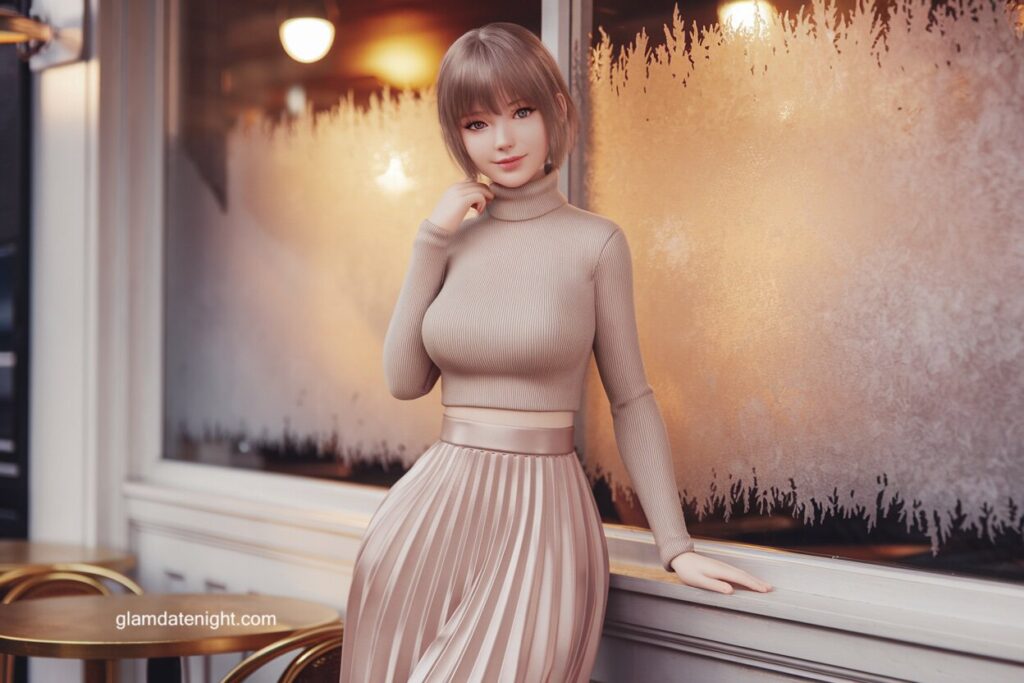
- The Material Structural Match: When pairing a high-coverage top like a turtleneck with a midi skirt, the material weights must balance perfectly to avoid looking top-heavy. Pair a high-compression, fine-gauge 1×1 ribbed cotton turtleneck with a structured 400 GSM wool-blend or dense velvet midi skirt.
- The Waistline Demarcation: Because a turtleneck covers the entire upper torso and neckline, it can visually shorten the upper body. Execute a precise full-tuck of the shirt into the skirt’s waistband. Add a 2-inch-wide matte leather belt to explicitly anchor the narrowest part of your waist.
- The Insulation Grid: Layer 100-denier fleece-lined thermal tights beneath the midi skirt. Ensure your knee-high leather boots slide completely underneath the hemline of the skirt by at least two inches. This eliminates any exposed skin gaps, sealing in body heat while keeping a single, continuous vertical color block.
10. Visual Proportions: Drop-Shoulder Chunky Knit & Slim-Taper Denim

- The Horizontal Shoulder Line: To upgrade a simple sweater and jeans combo into a deliberate evening style, focus on the shoulder seams. Select a drop-shoulder or raglan-sleeve chunky knit sweater. The relaxed shoulder seam softens the upper torso and contrasts cleanly with the rigid vertical lines of slim-taper denim.
- The Wash Selection Rule: Avoid light-wash or highly distressed denim, which pulls the outfit too far into daytime loungewear. Choose a dark-wash indigo or solid carbon-black denim with a minimum of 98% cotton content. The rigid dark fabric retains a smooth silhouette that does not sag or stretch out across the knees during dinner.
- The Ankle Junction: When wearing ankle boots, ensure the jean hem terminates exactly 0.5 inches above the top of the boot shaft. If the jeans gather or stack over the leather of the boot, it creates horizontal wrinkles that visually shorten the leg line.
11. The 3-Layer Exposure Rule: Fine-Knit Crop, High-Rise Denim & Duster Coat

- The 3-Layer Exposure Rule: Wearing a crop top in cold temperatures requires a precise windbreak strategy. The midriff exposure should be minimal—exactly one inch of skin between the bottom hem of a long-sleeve crop top and the top of an 11-inch high-rise straight-leg jean waistband.
- The Outerwear Windbreak Metric: To insulate the exposed midriff outdoors, the outfit must be anchored by an ankle-length tailored wool duster coat (minimum 70% wool composition). When walking outside, the long coat blocks crosswinds from the sides and back, keeping your core warm.
- The Alignment Line: Leave the long duster coat completely unbuttoned while walking. This creates two strict parallel vertical lines down the front of your body, framing the high-waisted denim and making your torso look long and lean without exposing your back to the cold.
12. Proportion Geometry: Mock-Neck Mini Dress & Structured Tall Boots

- The Fabric Density Threshold: A sweater mini dress must feature a compact double-knit or tight cable-weave construction. Lightweight, loose acrylic knits will stretch out and lose their shape after an hour of sitting, leading to an unpolished appearance. Prioritize dense wool or structured cotton-blend knits.
- The Clearance Ratio: Maintain a precise 4-to-5 inch visual gap of exposed skin (or black thermal tights) between the bottom hem of the mini dress and the top of your knee-high boots. If the gap is wider, the outfit looks disconnected; if it is narrower, it crowds your frame.
- The Outerwear Match Line: Pair the mini-length knit dress with a structured leather moto jacket or a tailored pea coat that hits exactly at the hip bone. Matching the short length of the dress with a cropped jacket keeps the visual weight concentrated at your natural waist, highlighting your leg length.
13. Volumetric Compensation: Cropped Faux Fur & High-Rise Leather Mini

- The Volume Rule: High-pile faux-fur jackets feature an expansive pile depth that creates significant horizontal bulk across your upper torso. To prevent your body shape from looking completely boxy, you must anchor the lower half of the frame with a compact, ultra-streamlined bottom layer.
- The Skirt Geometry: Pair a heavy faux-fur coat with a high-rise, structured A-line leather mini skirt or a straight pencil skirt. Avoid flared or tiered skirts, which amplify lower-body width. The rigid, flat plane of smooth leather cuts through the fluffy texture of the fur coat, maintaining a clean visual balance.
- The Hemline Termination Metric: Ensure the faux fur jacket features a cropped hemline that terminates exactly at your natural waist or the top of your hip bone. A cropped length exposes the narrowest junction of your midsection, preventing the heavy pile fabric from widening your waist profile.
14. High-Loft Insulation: Shearling Aviation Jacket & Fine-Gauge Knit
- The Inner Layer Gauge Metric: To stay warm in freezing environments without packing bulky layers under your arms, utilize a 100% cashmere or ultra-fine merino wool mock-neck sweater. Fine-gauge natural animal fibers offer three times the thermal retention of synthetic acrylic sheets at a quarter of the physical thickness.
- The Heavy Outerwear Shell: Layer your thin insulation knit under a heavy, structured shearling aviation jacket or a dense faux-suede bomber coat with a sherpa-lined collar. The heavy outer shell acts as a complete windbreak barrier, trapping your internal body heat inside the wool fibers of your inner sweater.
- The Lower Body Anchor: Balance the masculine, rugged top layer by pairing it with clean, dark indigo or charcoal-gray raw denim jeans. Complete the outfit with lug-sole leather combat boots to match the industrial look of the heavy aviation jacket.
15. Structural Alignment: Tailored Wool Blazer & High-Density Black Denim

- The Textile Fabric Specification: Lightweight summer office blazers will warp and wrinkle when worn over winter knit layers. Select a structured blazer woven from a heavy 400+ GSM wool-crepe, houndstooth, or traditional Scottish tweed fabric. Heavyweight fabrics lay flat over sweaters and hold a crisp silhouette independently.
- The Inner Layer Metric: Wear a thin ribbed mock-neck top under the blazer. Fully tuck the top into mid-rise or high-rise solid carbon-black skinny jeans. Choosing a solid black wash on the lower half creates a completely uniform, dark vertical backdrop that makes your outer wool blazer stand out as the main focal element.
- The Heeled Boot Shaft Alignment: Pair this layout with pointed-toe leather ankle boots featuring a distinct 2-inch block heel. Ensure your skinny jeans slide smoothly inside the boot shaft without gathering or stacking at the ankle. This smooth transition elongates your lower frame and gives your stride stability on slick winter pavements.
Conclusion: Technical Parameters for Cold-Weather Aesthetics
- The Pile Separation Metric: Always pair high-pile, high-volume outerwear—like faux fur or sherpa jackets—with ultra-sleek, compact base layers to prevent a bulky or unpolished body shape.
- The Static Elimination Strategy: When styling lightweight satin or silk slip dresses in winter, apply anti-static barriers and pair them with high-friction nylon hosiery to stop the fabric from clinging and riding up.
- The Hosiery Insulating Rule: Swap out thin 15-denier summer stockings for 80+ denier opaque or fleece-lined thermal tights to build a robust cold-weather barrier that doesn’t disrupt monochromatic leg lines.
- The Outerwear Length Ratio: Ensure your long winter coats either extend past your dress hemlines by at least two inches or crop exactly at your natural waist to keep your visual body proportions balanced.